Elegant Flamingos
Mukesh Kumar
| 02-03-2026
 · Animal Team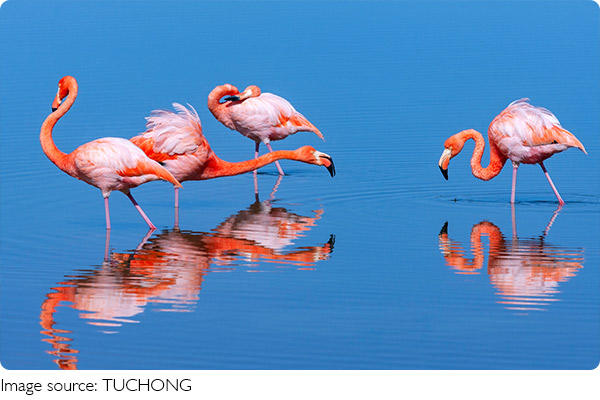
The sight of a flock of flamingos wading gracefully through shallow waters is nothing short of mesmerizing.
Their vibrant pink feathers and long, slender legs seem almost unreal against the backdrop of glimmering lakes and salt flats.
Yet, behind this picturesque scene lies a complex story of survival, adaptation, and social dynamics that makes flamingos truly fascinating.
Physical Appearance and Coloration
1. Feather hues
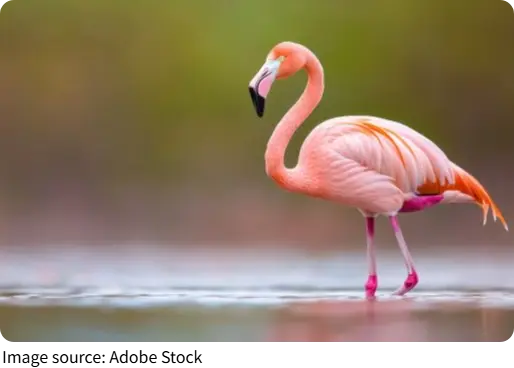
Flamingos owe their iconic pink and reddish tones to carotenoid pigments found in their diet, primarily from algae and small crustaceans. Birds that consume more pigment-rich foods display deeper, more vibrant shades, which also play a role in mating displays and social hierarchy.
2. Body structure
Their elongated necks and legs are not just for elegance—they allow flamingos to reach food in deeper waters and maintain balance while wading. The unique shape of their beaks, curved downward, is perfectly adapted for filter-feeding, separating mud and water from edible organisms.
3. Vision and perception
Flamingos have excellent vision both above and below water. Their eyes help them detect predators, navigate shallow lagoons, and coordinate movements within large flocks. This visual acuity also aids in selecting the brightest mates, often those with the most striking coloration.
Behavior and Social Life
1. Flocking behavior
Flamingos are highly social birds, forming large colonies that can number in the thousands. This collective living provides safety from predators, increases foraging efficiency, and facilitates social learning for younger birds.
2. Courtship rituals
During mating season, flamingos perform synchronized group displays involving head-flagging, wing-salutes, and marching formations. These rituals strengthen pair bonds and ensure reproductive success, while also showcasing the individuals with the most impressive colors and stamina.
3. Feeding techniques
Flamingos feed by stirring up mud with their feet and sweeping water through their specialized beaks. This filter-feeding method allows them to extract algae, tiny invertebrates, and plankton efficiently. Interestingly, feeding in groups can create feeding “rafts” that disturb the sediment more effectively than solitary foraging.
Habitat and Conservation
1. Preferred environments
Flamingos inhabit saline or alkaline lakes, lagoons, and coastal wetlands. These environments limit competition from other species and provide abundant food sources. Despite appearing delicate, flamingos are highly resilient to the extreme conditions of these habitats.
2. Migration patterns
Some flamingo species undertake seasonal migrations to locate food and breeding sites, traveling hundreds of kilometers. Migration decisions are influenced by rainfall, water salinity, and food availability, demonstrating their adaptability to changing environments.
3. Threats and protection
While flamingos are not immediately endangered, habitat destruction, pollution, and climate change pose significant risks. Conservation efforts, including protected wetlands and monitoring of water quality, are essential to ensure these iconic birds continue to thrive.
Watching flamingos in the wild is more than just a visual delight—it is a glimpse into the intricate balance of ecology, diet, and social behavior. Their vibrant colors, coordinated dances, and resilient survival strategies remind us of the wonders of the natural world and the importance of protecting these extraordinary creatures. Next time you encounter a flock of flamingos, take a moment to appreciate not just their beauty, but the remarkable adaptations that make their lives possible.