The VR/AR Revolution

Ethan Sullivan
| 07-04-2026
 ·
· 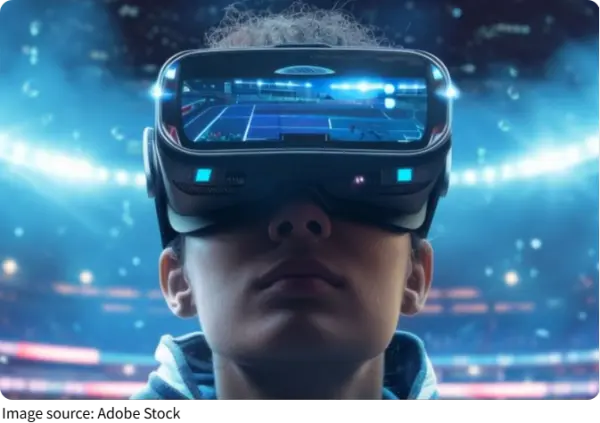
The world of video games is evolving faster than ever, and virtual reality (VR) and augmented reality (AR) are leading the charge.
These technologies are changing how players experience games, offering immersive environments that blur the line between the digital and physical worlds.
From VR headsets like the Oculus Rift to AR experiences in mobile games like Pokémon GO, the gaming industry is embracing these new frontiers. But how far have we come with VR and AR, and what does the future hold for these technologies in gaming? In this article, we will dive into the current state of VR and AR gaming, explore their potential, and discuss the challenges they still face.
1. The Rise of VR/AR in Gaming
Virtual reality (VR) and augmented reality (AR) have been a part of the gaming world for several years, but their adoption has been slow due to various technological and financial barriers. However, over the last decade, both VR and AR have gained significant traction. VR gaming, in particular, has experienced major advancements, with devices such as the Oculus Quest, PlayStation VR, and HTC Vive providing players with a fully immersive experience. These devices use specialized headsets and motion controllers to allow players to interact with a game world in 3D.
AR, on the other hand, has primarily been popularized in mobile gaming through titles like Pokémon GO. The game uses a smartphone's camera and GPS to blend virtual characters with the real world, creating a unique, interactive experience that doesn't require a dedicated headset. While VR offers a complete escape from the real world, AR keeps players grounded in their environment while enhancing it with digital elements.
Both VR and AR represent a departure from traditional gaming and have opened the door to more immersive, interactive, and innovative gameplay experiences. They are helping to transform games from static, screen-based experiences into fully interactive worlds.
2. The Current State of VR/AR Games
As of now, VR and AR gaming are in a stage of rapid development. VR games are becoming more diverse, with titles across a variety of genres, from first-person shooters and adventure games to puzzle games and simulations. One of the most popular VR games today is Half-Life: Alyx, a highly immersive experience set in the Half-Life universe. It's widely regarded as one of the best VR games due to its detailed environments, engaging mechanics, and realistic interactions.
AR games have also made a significant impact. The most notable example, Pokémon GO, was a cultural phenomenon when it launched in 2016, drawing millions of players worldwide. The success of AR games like Pokémon GO has led to more developers exploring AR as a viable platform for gameplay. Games like Ingress (also by Niantic, the creators of Pokémon GO) and Harry Potter: Wizards Unite have further explored the potential of AR in gaming.
Despite these successes, VR and AR still face several challenges. The hardware can be expensive, and the experiences are often still limited by current technology. VR headsets can be bulky and uncomfortable for extended play, while AR games often rely on smartphones, which may not provide the same level of immersion as dedicated AR devices. Additionally, the content available is still somewhat limited, with many VR games offering short experiences rather than full-length adventures.
3. The Future Potential of VR/AR Gaming
The future of VR and AR gaming is incredibly exciting, with the potential to revolutionize the way we play and interact with games. As technology improves, we can expect more seamless and realistic experiences. For VR, advancements in processing power and display technology could lead to lighter, more comfortable headsets with higher resolution displays. This would reduce the motion sickness that some players experience and allow for longer, more enjoyable play sessions.
For AR, the future holds the promise of more sophisticated and immersive gameplay experiences. Imagine a world where AR glasses replace smartphones, allowing players to interact with games in real-time without needing to hold a device. With advances in AI and spatial computing, AR could seamlessly blend the real and virtual worlds, creating experiences that are more dynamic, interactive, and personalized.
The integration of VR and AR into mainstream gaming could also lead to new forms of multiplayer experiences. For example, VR could enable players to collaborate in virtual worlds, where they can interact with each other in more meaningful ways than what is possible with traditional online gaming. AR could facilitate outdoor, real-world multiplayer games, where players can interact with each other and their environment in unique ways.
4. Challenges That VR/AR Still Face
While the potential for VR and AR gaming is huge, these technologies still face significant challenges that may hinder their growth in the short term.
Hardware Limitations: The current hardware required for VR gaming is often expensive and bulky. High-end VR systems like the Oculus Rift or HTC Vive require powerful PCs to run, making them inaccessible to many casual gamers. Although wireless headsets like the Oculus Quest are more affordable, the technology is still limited in terms of power and comfort. For AR, the issue is primarily with the hardware – smartphones, while powerful, aren't designed for extended AR gaming experiences. The development of lightweight, high-performance AR glasses will be key to the success of AR gaming.
Content Development: While there are some fantastic VR and AR games, the overall content library is still limited. Many of the most popular VR titles are relatively short experiences, and developers are still figuring out how to make engaging long-form content that fully exploits the immersive potential of these technologies. For AR, developers need to find ways to create deeper, more meaningful interactions with the real world. Right now, most AR games focus on capturing virtual objects in physical spaces, but the possibilities are much broader.
Player Experience: VR games can sometimes cause motion sickness or discomfort, particularly if the technology isn't optimized or if the player's movement doesn't match what they see in the virtual world. AR, while less likely to cause motion sickness, can be limited by the performance of the device and the player's environment, such as lighting conditions or available space.
5. The Road Ahead: Embracing VR/AR's Full Potential
The road ahead for VR and AR gaming is filled with opportunities and challenges. As technology improves, we can expect more immersive, comfortable, and accessible gaming experiences. The next generation of VR and AR devices will likely solve many of the current issues, leading to a surge in high-quality, long-form content that will attract a wider audience.
Moreover, the integration of AI, machine learning, and 5G technology will play a significant role in enhancing the realism and interactivity of VR and AR games. With AI, developers can create more dynamic game worlds that respond to players' actions, while 5G will offer faster, more reliable connectivity for cloud gaming and real-time multiplayer experiences.
The future of VR and AR gaming is incredibly bright, and we're just scratching the surface of what's possible. As the technology matures, these platforms will likely become a central part of the gaming industry and transform how we experience and interact with games.

In conclusion, VR and AR technologies have already made a significant impact on the gaming world, offering new, immersive ways to experience games. While there are still challenges to overcome—particularly in terms of hardware, content, and player experience—the potential for these technologies is undeniable. As VR and AR continue to evolve, we can expect even more exciting advancements that will redefine gaming as we know it.
So, what do you think? Are you excited about the future of VR/AR in gaming, or do you feel there are still too many obstacles to overcome? Let's hear your thoughts!