Perfect Sourdough at Home

Naveen Kumar
| 17-04-2026
 · Lifestyle Team
Baking sourdough bread at home may seem daunting, but with a little patience and the right ingredients, you can create a loaf that rivals your favorite bakery.
The sourdough process involves natural fermentation, giving the bread its signature tang and complex flavor. If you're ready to dive into the world of artisan baking, here's a detailed guide to making perfect sourdough bread from scratch.
1. Ingredients You'll Need
Before you begin, gather the following ingredients to ensure a successful bake:
Starter
A sourdough starter is the key to making this bread. It's a mix of flour and water that has naturally fermented with wild yeast and bacteria. If you don't have an active starter, you can create your own or purchase one from a bakery or store. This can take anywhere from 5 to 7 days to fully develop.
Flour
You'll need high-quality flour to achieve the perfect texture. Use a combination of bread flour and whole wheat flour for a balanced rise and complex flavor. The whole wheat flour adds richness and a touch of sweetness.
Water
Use filtered or non-chlorinated water to help the yeast grow. Tap water with high levels of chlorine can stunt the fermentation process, so be mindful of the quality of your water.
Salt
Salt is essential for flavor. It also helps to regulate yeast activity, so don't skip this ingredient.
2. Creating the Starter
Creating your own starter is one of the most rewarding parts of making sourdough bread. It's a living organism that will provide you with years of bread-making opportunities.
Mixing the Ingredients
To start your sourdough starter, combine 100g of whole wheat flour and 100g of water in a clean jar. Stir well, cover loosely, and leave it at room temperature. Feed it every 24 hours with equal parts water and flour.
Wait for Fermentation
After about 5 to 7 days, your starter should be bubbly and have a slightly sour smell. This is the moment when your starter is ready to be used in baking. If it's not showing signs of fermentation, try moving it to a warmer location or increasing the feeding frequency.
3. Mixing the Dough
Once you have a mature starter, it's time to make your dough.
Combine Starter, Water, and Flour
In a large mixing bowl, combine 50g of your starter, 300g of water, and 500g of bread flour. Mix until everything is incorporated, and then let the dough rest for 30 minutes. This step is called the autolyse, and it helps the flour absorb the water, making the dough easier to work with.
Add Salt
After the dough has rested, add 10g of salt and mix it in until fully dissolved. At this point, you'll notice the dough starting to come together and become less sticky.
4. Kneading and Stretching the Dough
Kneading sourdough dough can be tricky since it's often more hydrated than other types of bread dough. Here's how to get it right:
The Stretch and Fold Technique
Instead of traditional kneading, use the stretch and fold method. Every 30 minutes for about 3 to 4 hours, wet your hands, grab one corner of the dough, and stretch it up and fold it over the rest of the dough. Turn the bowl a quarter turn and repeat this process 4 times. This helps strengthen the gluten and creates a light, airy loaf.
Bulk Fermentation
Let the dough rise at room temperature for about 4 to 6 hours, or until it doubles in size. This is your dough's bulk fermentation stage, where the yeast produces carbon dioxide and helps the dough rise.
5. Shaping and Final Proofing
Shaping your dough properly is key to achieving a beautiful sourdough loaf with an even crumb.
Shape the Dough
After the dough has completed its bulk fermentation, turn it out onto a lightly floured surface. Gently flatten it into a rectangle, then fold in the edges and roll it up tightly to form a loaf.
Final Proofing
Place the shaped dough in a proofing basket (or any bowl lined with a clean cloth) and cover it. Let it rise for 3 to 4 hours at room temperature, or for best results, refrigerate it overnight for a longer fermentation process.
6. Baking the Bread
Preheat your oven to 475°F (245°C). Place a Dutch oven or a heavy baking vessel in the oven while it heats up to ensure an even bake.
Scoring the Dough
Once the dough has finished proofing, carefully remove it from the basket. Using a sharp blade or a bread lame, score the top of the dough to allow it to expand properly in the oven. The score also gives the bread its signature look.
Bake the Bread
Place the dough in the preheated Dutch oven and cover it. Bake for 20 minutes, then reduce the heat to 450°F (230°C) and bake for another 25 minutes without the lid. The bread should have a deep golden crust and sound hollow when tapped on the bottom.
7. Enjoying Your Sourdough
Once your sourdough bread is out of the oven, let it cool on a wire rack for at least an hour before slicing. This allows the interior to set and ensures that your bread has the perfect texture.
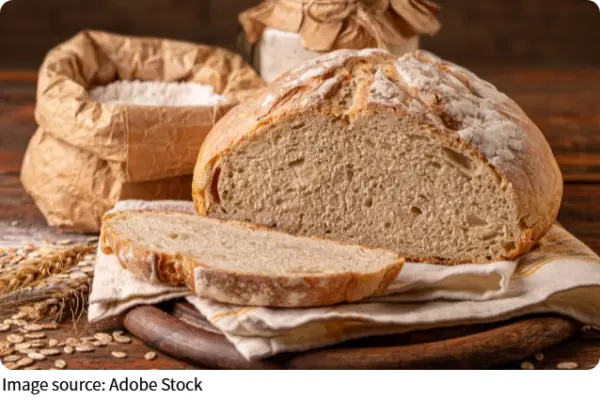
Making sourdough bread is a journey of patience and love. Each step from creating the starter to scoring the dough brings you closer to a delicious, satisfying loaf. So, the next time you're craving fresh bread, skip the store-bought loaf and give homemade sourdough a try—you'll be amazed at how satisfying the process is, and how delicious the result can be. Happy baking!