Tea Picking

Mason O'Donnell
| 17-04-2026
 · Lifestyle Team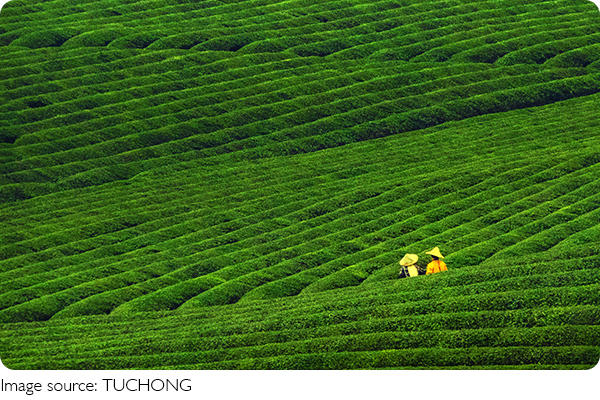
Tea picking is not just a simple task; it's an art form, a tradition, and a deeply rewarding experience.
If you've ever wondered how the delicate leaves of your favorite tea make their way from the plantation to your cup, the process behind it is far from ordinary.
Tea picking has its own unique culture, rich history, and surprising facts that will change the way you view every sip of tea you enjoy.
The Journey Begins: Early Morning Routines
The day begins early for tea pickers, often before the sun rises. This is because tea leaves are best picked in the cool morning hours. The leaves are fresh, untainted by the sun's heat, and packed with the essential oils and flavors that make tea so refreshing. The early start allows workers to avoid the midday heat, ensuring that the delicate leaves aren't damaged by the sun's rays.
Tea Picking Tools: Simple Yet Effective
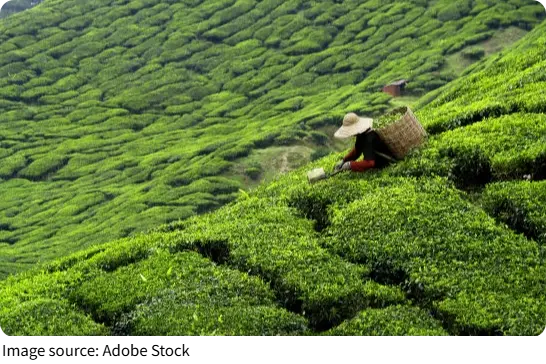
While technology has improved many industries, tea picking remains a manual labor of love. Most tea pickers use a traditional tool called a "picking basket," which hangs from their backs or is strapped to their waist. This basket is essential for collecting the leaves without bending down or breaking the flow of the picking process. The simplicity of the tool is what allows the pickers to maintain a high level of efficiency while ensuring the quality of the tea leaves.
The Art of Selecting the Perfect Leaves
When it comes to tea picking, not all leaves are created equal. The goal is to pick the youngest, freshest leaves—the tender tips of the plant, which offer the best flavor. These are typically the top two leaves and the bud. Experienced pickers can distinguish these from older, tougher leaves with a quick glance and a gentle touch, ensuring that only the best leaves are harvested for your cup.
Benefits of Tea Picking for Workers
Although tea picking is often seen as hard labor, it offers various benefits to those who engage in it. Many tea workers enjoy the sense of accomplishment they feel after a day's work, knowing they've contributed to a process that's been a part of their culture for centuries. Additionally, tea picking provides a steady income for many families, especially in regions where agriculture is the primary means of livelihood. In some areas, it has also become a source of employment for women, offering them economic independence and opportunities for empowerment.
Tea Picking's Environmental Impact
Tea plantations are often located in lush, natural environments, and tea picking helps preserve the integrity of these areas. While it requires labor, tea farming typically has less impact on the environment compared to large-scale industrial farming. Many plantations employ sustainable farming techniques that promote biodiversity and conserve water, ensuring that tea production doesn't come at the expense of the ecosystem. In this sense, tea picking also plays a role in protecting natural resources for future generations.
Conclusion: A Tradition Worth Preserving
Tea picking is more than just a task—it's a time-honored tradition that connects generations of workers, communities, and cultures. Whether you're enjoying a warm cup of tea on a chilly morning or sipping iced tea during the summer, remember that every leaf tells a story of dedication, skill, and an unwavering commitment to quality. The next time you take a sip, you'll have a newfound appreciation for the timeless craft behind your favorite tea.