Grizzly Power

Naveen Kumar
| 21-04-2026
 · Animal Team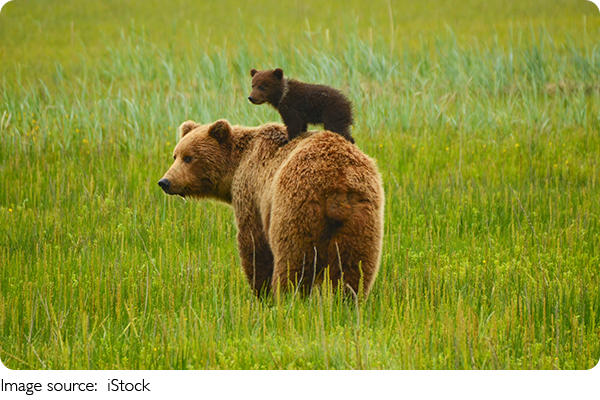
A Presence You Can Feel
You don't need to see it first—you feel it. A subtle vibration underfoot, a shift in the air, and then it appears: the Grizzly Bear. Its massive frame and thick fur give it an unmistakable outline, but what truly defines it is the sense of weight and control in every movement.
This is not just a large animal. It is a structure of power, built layer by layer for survival in demanding environments. Every motion, even a slow step forward, carries intent and strength.
How Strong Is a Grizzly?
The physical ability of a grizzly is not defined by one feature, but by a combination of size, force, and mobility.
1. Body weight can reach 400–700 pounds, sometimes more
2. Forelimb strength allows it to move large rocks or tear through compact ground
3. Bite force is strong enough to break hard tissue
4. Running speed can reach 35 miles per hour over short distances
This combination makes the grizzly both powerful and unexpectedly fast. It is not limited by its size—in many ways, it is enhanced by it.
The Power Behind the Shoulder Ridge
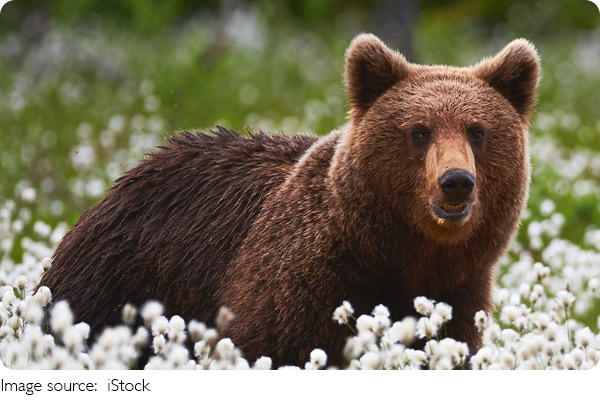
One of the most defining features of the grizzly is the raised shoulder ridge across its back. This is a dense concentration of muscle connected to the front limbs.
This structure functions like a natural engine, delivering force into every forward movement. It allows the bear to:
• Dig deep into firm ground
• Break apart logs with repeated strikes
• Access food sources hidden below the surface
From a biomechanical perspective, this area amplifies strength, making the forelimbs exceptionally effective tools.
Claws That Do More Than Scratch
Grizzly claws can extend up to 4 inches in length. They are thick, slightly curved, and always exposed, designed for force rather than precision.
They are used for:
1. Digging through soil and gravel
2. Pulling apart wood and vegetation
3. Stabilizing movement on uneven terrain
These claws are not delicate instruments—they are extensions of strength, working together with the forelimbs to generate powerful actions.
Strength Guided by Awareness
Raw strength alone does not define the grizzly. It is the combination of power and awareness that makes it effective.
Grizzlies rely heavily on their sense of smell, which is among the most developed in the animal world. This allows them to detect food sources from long distances, reducing unnecessary energy use.
Their behavior is often deliberate. Instead of constant exertion, they move with purpose, choosing when to act and when to conserve energy. This balance between action and restraint is a key part of their survival strategy.
Endurance and Energy Use
A grizzly's capability also depends on how it manages energy. It can travel long distances when needed, yet remain still for extended periods to conserve strength.
Its body is adapted to store and utilize energy efficiently, allowing it to handle environments where resources are not always consistent. This endurance complements its physical strength, creating a well-rounded survival system.
Final Reflection
The Grizzly Bear represents more than raw force. It is a combination of structure, efficiency, and controlled movement. From the powerful forelimbs to the defining shoulder ridge, every feature serves a clear function.
What makes the grizzly remarkable is not just how strong it is, but how that strength is used—with precision, timing, and balance. In that combination, it stands as one of the most capable land animals in the natural world.