Caring for Your Daisy

Mason O'Donnell
| 24-04-2026
 · Plant Team
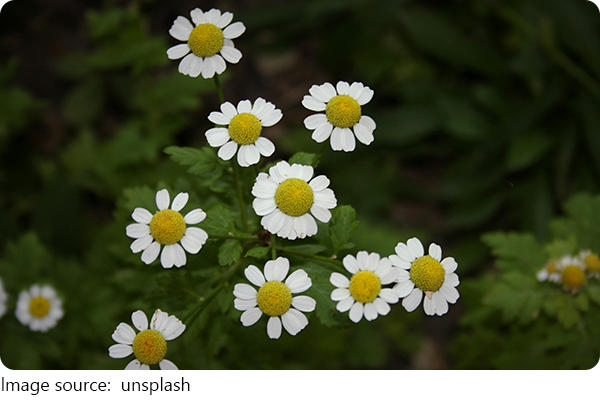
Daisies are among the most cheerful and easy-to-care-for flowers, making them a favorite in gardens and homes alike. Their bright petals and sunny disposition bring joy to any space.
However, even these hardy blooms require a little attention and care to truly thrive.
Whether you're growing them outdoors or keeping them in pots, following a few simple guidelines will help ensure your daisies stay healthy and vibrant. Here's how you can provide the best care for your daisies every day.
1. Choose the Right Location
Before you even start caring for your daisies, it's important to select the right spot for them to grow. Daisies love the sun and need at least 6 hours of direct sunlight every day to flourish. Whether you're planting them in a garden or placing them in a container, ensure the location provides plenty of light. In cooler climates, daisies will benefit from being placed in a sunny window indoors, while in warmer climates, a spot in the garden that receives consistent sunlight is ideal.
Avoid planting daisies in areas where they might be shaded by taller plants or trees, as this could stunt their growth and reduce their blooming potential.
2. Watering: Not Too Much, Not Too Little
Watering your daisies is one of the most important aspects of care, but it's crucial not to overdo it. While daisies need regular watering, they don't like to sit in soggy soil. To keep your daisies healthy, water them when the top inch of the soil feels dry to the touch. Be sure to water the base of the plant and avoid wetting the leaves too much to reduce the risk of fungal diseases.
If you're growing daisies in pots, make sure the container has drainage holes to allow excess water to escape. If you're growing them in the ground, ensure the soil is well-draining to prevent water from pooling around the roots.
3. Proper Soil for Healthy Roots
Daisies thrive in well-draining, slightly acidic to neutral soil. If you're planting them in your garden, make sure the soil isn't too heavy or compacted. If your soil tends to be dense, consider loosening it with organic matter like compost to improve drainage and root growth. Daisies appreciate soil that is rich in nutrients but not overly saturated with fertilizer. A good-quality, well-draining potting mix is best if you're growing daisies in containers.
For added growth, you can enrich the soil with a balanced, slow-release fertilizer in early spring, just before your daisies begin to bloom. However, be cautious about over-fertilizing, as too much nitrogen can lead to excessive leafy growth and fewer flowers.
4. Deadheading for Continuous Blooms
Deadheading is the practice of removing spent flowers, and it's an essential part of caring for your daisies. Not only does it keep your plant looking tidy, but it also encourages the plant to produce more blooms. As soon as the flowers start to fade, trim them off close to the stem using sharp garden scissors or pruning shears. By doing so, you prevent the plant from wasting energy on seed production, allowing it to focus on new flowers.
Deadheading also prevents your daisies from becoming leggy and helps maintain their bushy, compact appearance. If you let the flowers go to seed, they might self-sow, which could result in overcrowded plants in the future.
5. Pruning for Health and Shape
While daisies are relatively low-maintenance, occasional pruning can help maintain their health and shape. In addition to deadheading, you can also trim back any leggy or overgrown stems to encourage a fuller, bushier plant. If your daisies are becoming too tall and spindly, cut back some of the taller stems to the ground in early spring. This encourages new growth and helps your plants stay compact and robust.
For perennials, you can also prune your daisies in the fall to remove any dead or damaged stems. This will help the plant prepare for the colder months and ensure that it comes back strong in the spring.
6. Watch for Pests and Diseases
Although daisies are relatively resistant to pests and diseases, it's still important to keep an eye on them for any signs of trouble. Aphids, slugs, and snails are common pests that can damage daisy plants. You can remove aphids by spraying a gentle stream of water or using insecticidal soap. For slugs and snails, hand-picking or setting out traps can help control the population.
Daisies can also be susceptible to fungal diseases like powdery mildew, especially in humid conditions. To prevent fungal infections, avoid overhead watering and make sure your plants are spaced adequately to allow for proper air circulation. If mildew does appear, treat it with a fungicide or try a natural solution, like horticultural oil.
7. Preparing Daisies for Winter
If you're growing daisies in a region that experiences cold winters, it's important to prepare them for the colder months. After the flowers have faded, and the plant has finished blooming, cut back any dead stems to about 2 inches above the ground. For perennial daisies, apply a layer of mulch around the base to help insulate the roots and protect them from freezing temperatures.
If you're growing daisies in pots, consider bringing them indoors or placing the container in a sheltered area, such as a garage or shed, to prevent the roots from freezing. You can also wrap the container with burlap or other insulating materials to keep the soil from freezing.

Conclusion: Enjoy Your Daisies Year-Round
Daisies are incredibly hardy and forgiving flowers, making them perfect for gardeners of all levels. With just a little daily care—like providing the right light, water, and soil—you can enjoy their vibrant, cheerful blooms for months at a time. By deadheading regularly, keeping pests in check, and pruning for shape, you'll help your daisies stay healthy and thriving year after year. Whether you're planting them in your garden or growing them in containers, these simple care tips will ensure that your daisies continue to brighten up your space and your day.