Daffodil Care Tips

Chris Isidore
| 24-04-2026
 · Plant Team
Daffodils, with their cheerful yellow blooms and refreshing fragrance, are one of the most beloved spring flowers.
Known for their ability to brighten up gardens and landscapes, daffodils are relatively easy to grow—but like all plants, they do require some care and attention to thrive.
Whether you're a novice gardener or an experienced green thumb, understanding the proper techniques for planting and caring for daffodils will help ensure you have a stunning display year after year. Here are some key tips for cultivating these beautiful flowers.
1. Choosing the Right Location
Before you plant your daffodils, choosing the right spot is crucial. Daffodils prefer full sun but can also tolerate partial shade. Aim for a location that receives at least 6 hours of sunlight a day, as this will help the bulbs produce strong, healthy flowers. Avoid planting daffodils in areas where the soil is constantly wet, as this can cause the bulbs to rot. Well-drained soil is essential for the health of your daffodils, so be sure to plant them in a spot that doesn't hold water after rain.
2. Planting Daffodil Bulbs
The ideal time to plant daffodil bulbs is in the fall, before the first frost. This gives the bulbs enough time to establish roots before the cold winter months. Choose large, firm bulbs without any signs of mold or damage, as these will give you the best chance for success.
When planting, dig a hole that is about 6 inches deep and place the bulb with the pointed end facing upwards. Space the bulbs about 4 to 6 inches apart, depending on the variety. Cover the bulbs with soil and gently pat it down. Adding a layer of mulch on top can help retain moisture and protect the bulbs from extreme temperatures.
3. Watering and Fertilizing
After planting, water the daffodil bulbs thoroughly. However, be careful not to overwater, as daffodils don't like to sit in soggy soil. Once the bulbs are established, you can water them lightly throughout the growing season, ensuring the soil remains consistently moist but not waterlogged.
Fertilization is also important for healthy growth. Before planting, you can mix some compost or bulb fertilizer into the soil to give the bulbs a good start. Once the daffodils have emerged in the spring, you can apply a balanced fertilizer every 4 to 6 weeks. Avoid using high-nitrogen fertilizers, as they can promote leaf growth at the expense of flowers.
4. Deadheading and Pruning
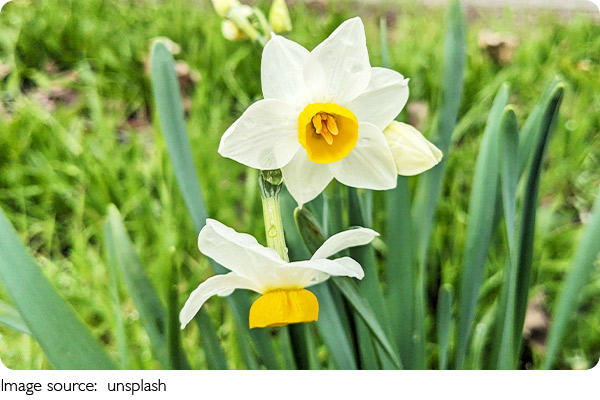
To keep your daffodils looking their best, it's important to deadhead them after the flowers have faded. Simply remove the spent blooms by cutting them off at the base of the stem. This will prevent the plant from putting energy into seed production and encourage more flowers next season.
Once the flowers are gone, allow the leaves to continue growing until they turn yellow and wither naturally. The leaves provide vital nutrients to the bulbs for the next year's growth. Never cut the leaves back until they are fully yellowed, as this can weaken the bulb and reduce the flower display in future years.
5. Protecting Daffodils from Pests
Though daffodils are generally resistant to pests, they can sometimes fall victim to aphids or rodents. Aphids, small sap-sucking insects, can appear on the stems and leaves, causing them to curl and deform. You can manage aphids by spraying them with a mixture of water and mild soap or using an insecticidal soap.
Rodents, such as squirrels and voles, may be attracted to the daffodil bulbs. To protect your bulbs, consider placing a wire mesh or chicken wire over the soil when planting. This will prevent animals from digging up the bulbs. You can also try sprinkling some natural deterrents, like crushed red pepper flakes, around the base of the plants.
6. Overwintering Daffodils
Daffodils are hardy perennials, meaning they can survive the winter months in most climates. However, in areas with harsh winters, it's a good idea to add an extra layer of mulch around the base of the plants to protect them from freezing temperatures. The mulch will insulate the bulbs and keep them from getting damaged by extreme cold.
In regions with milder winters, daffodils will naturally go dormant after blooming and will begin to grow again in the spring. The key to successful overwintering is ensuring the bulbs are planted deep enough and have adequate drainage to prevent water from accumulating around the bulbs during the colder months.
7. Dividing and Replanting Daffodils
After several years, daffodil bulbs can become overcrowded and may produce smaller flowers. If you notice a decrease in bloom size or quantity, it's time to divide the bulbs. The best time to do this is after the daffodils have finished blooming but before the leaves start to die back.
To divide your daffodils, carefully dig up the clump of bulbs and separate them gently. You can replant the bulbs immediately in a different part of your garden or store them in a cool, dry place until it's time to plant again. Dividing bulbs every 3 to 5 years will ensure that your daffodils continue to thrive and produce beautiful flowers year after year.
Conclusion: Enjoy Your Daffodil Garden
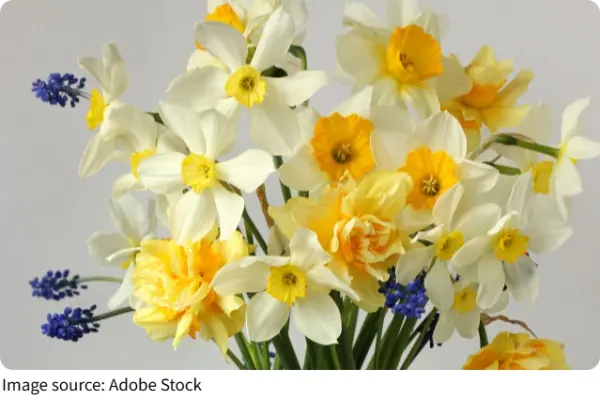
Daffodils are a fantastic choice for any garden, offering bright, cheerful blooms that announce the arrival of spring. By following these simple care tips, you can ensure that your daffodils thrive year after year, bringing beauty and joy to your garden. Whether you're planting them for the first time or nurturing an established patch, daffodils are a low-maintenance yet rewarding flower that will brighten up your outdoor space. Happy gardening!