Garden Sketch Secrets!

James Carter
| 04-05-2026
 · Art Team
Painting plants is more than a relaxing hobby—it’s a discipline that sharpens observation, patience, and artistic precision. Unlike studio work, painting in a garden introduces shifting light, subtle color changes, and organic complexity that challenge even experienced artists.
If approached thoughtfully, it can significantly improve both your technical skill and your connection to nature. Below is a detailed, experience-based guide to help you develop your botanical painting practice with purpose and clarity.
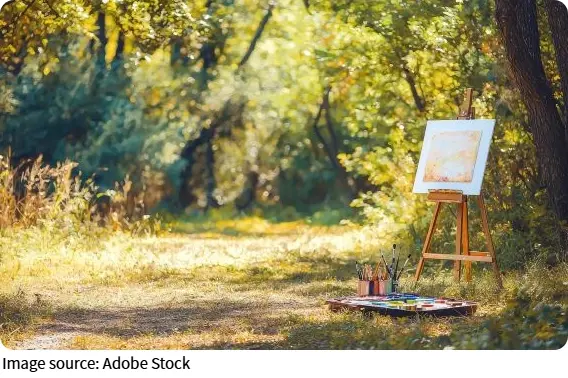
Learn the Foundations Before You Go Outside
Before stepping into the garden with a brush, it helps to build a solid understanding of botanical drawing. Structured learning—whether through local workshops, community classes, or guided tutorials—introduces essential concepts such as plant anatomy, proportion, and color mixing. These are not abstract ideas; they directly influence how believable and accurate your work appears
Botanical art is rooted in observation and scientific accuracy. Understanding how leaves attach to stems, how veins branch, or how petals fold will allow you to paint with intention rather than guesswork. Even a short course can dramatically improve how you interpret plant forms.
Use Botanical Gardens as Living Studios
Botanical gardens offer a curated environment where plants are labeled, well-maintained, and diverse. This makes them ideal for study. Many also host exhibitions or artist groups, which can expose you to different styles and techniques.
When working in these spaces, take note of how plants are displayed. Observe how light filters through greenhouse glass or how outdoor shadows shift across leaves. These environmental factors shape how colors appear and should influence your palette choices.
Expand Your Subjects Beyond Familiar Spaces
It’s easy to rely on your own garden, but limiting your environment can narrow your perspective. Walk through different neighborhoods, visit parks, or explore rural landscapes. Each location offers unique plant varieties, textures, and compositions.
For example, roadside weeds often have intricate structures that are overlooked but fascinating to paint. Meanwhile, landscaped gardens may offer symmetry and color harmony that challenge your compositional skills. Variety trains your eye to adapt.
Paint from Life Whenever Possible
Photographs are useful references, but they flatten depth and simplify color relationships. Painting directly from life forces you to interpret real light, shifting shadows, and subtle tonal differences. When you paint outdoors, you also engage more senses.
You notice how wind moves leaves, how sunlight warms certain tones, and how shadows cool others. These observations translate into more dynamic and authentic artwork. That said, photos can still support your practice—especially for studying details later. Use them as supplements, not substitutes.
Keep a Field Sketchbook or Garden Journal
A small sketchbook is one of the most powerful tools you can carry. Use it not just for drawing, but for recording observations:
- Texture of bark or petals
- Color changes throughout the day
- Weather conditions affecting light
- Presence of insects or pollinators
These notes train your brain to notice details that many overlook. Over time, this habit strengthens both memory and visual accuracy, which are essential for botanical illustration.
Study Light, Color, and Structure in Detail
Plants are deceptively complex. A single flower can contain gradients, reflections, and structural symmetry that require careful analysis.
Instead of painting what you think a flower looks like, break it down:
- Identify the basic shape (circular, tubular, radial)
- Observe how light hits different surfaces
- Notice color variations within a single petal
For instance, a white flower is rarely pure white—it often contains hints of blue, yellow, or even purple depending on lighting conditions. Capturing these subtleties is what elevates your work from flat to lifelike.
Start Simple to Build Confidence
Complex compositions can be overwhelming, especially for beginners. Begin with single leaves, small branches, or flowers with clear structures like daisies or tulips.
Simple subjects allow you to focus on technique:
- Brush control
- Color blending
- Edge definition
Mastering these basics on uncomplicated forms builds a strong foundation for tackling more intricate plants later.
Explore Different Angles and Perspectives
Most people instinctively draw flowers from a top-down view, but this isn’t always the most effective angle. Side views, partial crops, or tilted perspectives often reveal more interesting shapes and depth. Changing your viewpoint can also simplify difficult subjects. A complex flower may become easier to paint when viewed from an angle that emphasizes its structure rather than its details.
Create a Consistent Practice Routine
Improvement in botanical painting comes from repetition and consistency. Set aside dedicated time each day—even 20 to 30 minutes—for sketching or painting.
Regular practice trains your hand to become more precise and your eye to become more discerning.
Over time, you’ll notice:
- Faster decision-making in color mixing
- Greater confidence in brushstrokes
- Improved accuracy in proportions
Consistency matters more than duration.
Use Observation to Spark Creativity
While botanical painting values accuracy, it doesn’t mean your work has to feel rigid. Use your observations as a foundation, then allow room for interpretation. You might emphasize certain colors, simplify backgrounds, or highlight textures that stand out to you. Creativity grows when technical skill and personal expression meet.
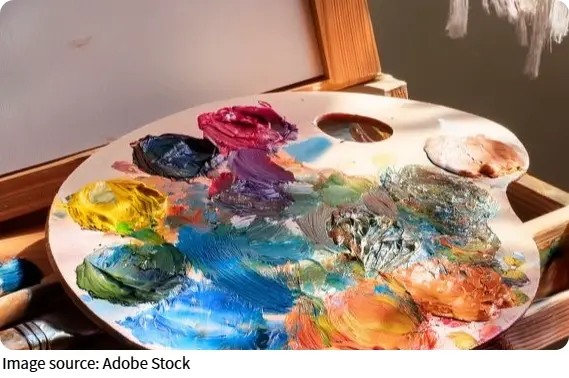
Painting plants is not about rushing toward a finished piece—it’s about learning to truly see. The more time you spend observing, sketching, and refining, the more your work will reflect the quiet complexity of nature itself. Stay patient, stay curious, and let each leaf and petal teach you something new—the garden always has more to reveal than you expect.