Design Spoken Worldwide

Naveen Kumar
| 13-05-2026
 · Food Team
Anime character design is becoming a global art language because it offers something many visual systems struggle to balance: stylization, clarity, and emotional immediacy at the same time. A viewer in one part of the world can recognize confidence in a pose, softness in an eye shape, or energy in a hairstyle without needing a long explanation. That broad readability has helped anime-informed design travel far beyond its original industry context. It now appears across digital illustration, games, publishing, merchandise, online creator culture, and design education in ways that feel increasingly universal.
Shared Signals
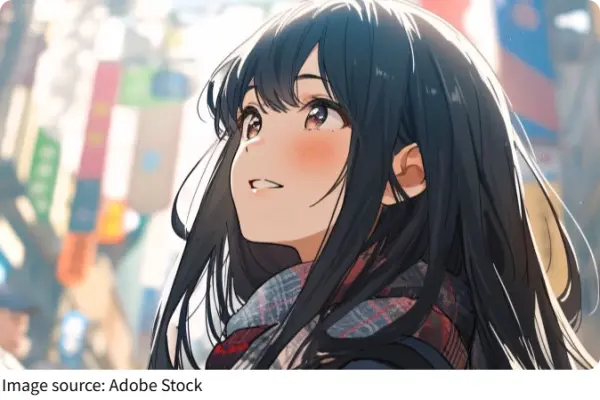
A visual language works when people can read it quickly. Anime character design often relies on strong signals: expressive eyes, purposeful silhouettes, color-coded personality cues, and costumes that reveal role or mood. These elements are easy to adapt and easy to understand. The character does not need heavy realism to feel specific. Viewers can often tell whether someone is reserved, playful, determined, or mysterious from the design alone.
Readable Emotion
One reason this design language travels well is emotional clarity. Eyes, brows, posture, and gesture work together in a way that feels immediate. The face becomes a direct storytelling surface, while the body reinforces that message through stance and movement. This readability fits global digital culture, where images compete for attention in fast-moving feeds. A character that communicates mood instantly has a practical advantage as well as an artistic one.
Silhouette Power
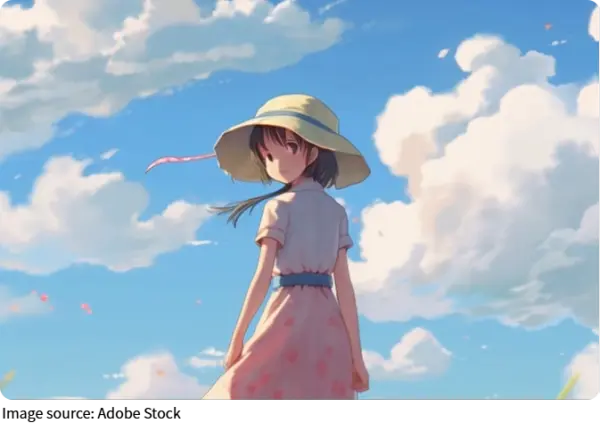
Strong silhouettes help character design cross language barriers. Hair shapes, clothing outlines, accessories, and posture can make a figure memorable before any close-up appears. This is useful in games, posters, short-form videos, and online branding where first impressions happen quickly. A distinctive silhouette also helps artists from different backgrounds reinterpret the style while keeping the character readable. The design language stays flexible without losing recognizability.
Platform Spread
Online platforms accelerated the spread of anime-based character logic. Tutorials, livestream drawing sessions, fan art communities, mobile games, and creator marketplaces all helped normalize anime-rooted design choices. Many young artists learned visual storytelling through these spaces before entering professional illustration or design work. As a result, anime-inspired character construction is no longer confined to one regional tradition. It has become part of global creative training.
Hybrid Styles
The rise of a global art language does not mean every artist draws the same way. The stronger pattern is hybridization. Designers merge anime principles with local fashion, fantasy painting, graphic design, comics, and digital concept art. A character might carry anime-style eyes and silhouette logic while using entirely different texturing, linework, or cultural references. That adaptability is part of the language's strength. It can travel without demanding exact imitation.
Commercial Reach
Brands and entertainment companies have also helped expand this visual vocabulary. Stylized characters built with anime-like readability are useful for games, collectibles, posters, music visuals, and youth-oriented design systems. These characters are easy to merchandise because they are emotionally legible and visually distinctive. Commercial use matters here because it reinforces familiarity. The more viewers see this design structure in everyday media, the more natural it becomes as a shared standard.
Educational Impact
Art learning spaces increasingly treat anime character design as a valid entry point into anatomy, gesture, costume design, and color planning. That shift is important. Once a style becomes teachable in structured ways, it stops being dismissed as a passing trend and starts functioning as a transferable method. Students learn not only how to draw a face in a certain way, but how to control emotion, clarity, and identity through design decisions.
Cultural Adaptation
Global reach also changes the language itself. Artists from different countries bring new references, body types, fashion systems, storytelling habits, and environmental cues into anime-influenced character work. This keeps the style from becoming static. A global visual language survives when it can absorb difference without breaking its core strengths. In this case, those strengths are readability, stylization, and emotional directness.
Future Shape
Anime character design is likely to keep growing as a world-spanning visual system because it suits the needs of modern image culture. It reads well on screens, works across age groups, adapts to many industries, and translates personality quickly. What matters now is not whether the influence exists, but how thoughtfully artists use it. The richest work tends to treat anime design as a language to speak creatively, not a template to copy without reflection.
Anime character design is becoming a global art language because it combines emotional readability with strong visual structure and unusual adaptability. It travels across platforms, industries, and creative communities without losing its core power. Silhouette, expression, color logic, and hybrid styling all help it remain both recognizable and open to reinterpretation. That is why its influence feels larger each year. In today's visual culture, where do you think this shared design language appears most clearly: games, illustration, publishing, or online creator art?