Dog Personality Map
Pardeep Singh
| 20-05-2026
 · Animal Team
Have you ever wondered why some dogs are calm while others are full of energy? Or why certain breeds seem more protective and others more playful?
Today, we'll explore how different dog breeds have distinct personalities and what this means for us as dog lovers. Understanding these traits can help us build better relationships with our furry friends.
What Shapes a Dog's Personality?
We know that a dog's personality isn't random—it's influenced by genetics, upbringing, and environment. Different breeds were originally developed for specific tasks, like herding, hunting, or guarding, which shaped their natural behaviors. This "personality map" helps us predict how a dog might act and what kind of lifestyle suits them best.
Friendly and Social Breeds
Some breeds are famous for their social and friendly nature. For example, Labradors and Golden Retrievers tend to be gentle, outgoing, and eager to please. We often see these dogs happily greeting strangers and getting along well with children. Their easygoing personalities make them great family pets and therapy dogs.
Independent and Reserved Breeds
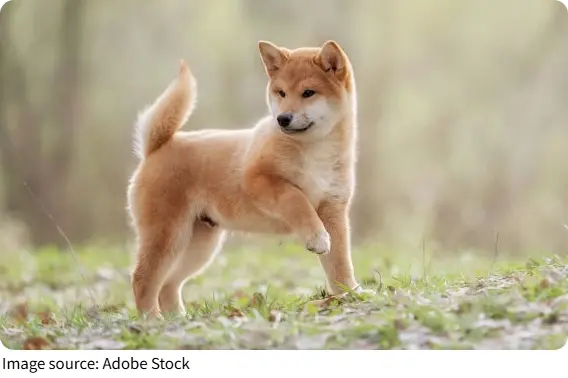
On the other hand, some breeds show more independence. Huskies and Shiba Inus are known for being more reserved and sometimes stubborn. We may notice they enjoy alone time and can be less focused on pleasing humans compared to social breeds. Understanding this helps us respect their space and find training methods that work best for them.
Energetic and Playful Breeds
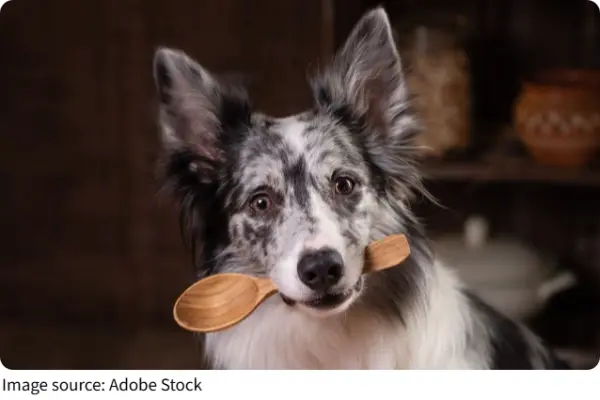
Energy levels vary a lot between breeds. Border Collies and Jack Russell Terriers are extremely energetic and intelligent. We often need to keep them busy with physical and mental challenges. When we provide enough exercise, these dogs thrive and stay happy, but without it, they might get bored or anxious.
Protective and Alert Breeds
Some dogs have a natural instinct to protect. German Shepherds and Rottweilers are known for their loyalty and alertness. We see them carefully watching their environment and acting to keep their family safe. These traits make them excellent guard dogs but also require proper socialization to avoid over-guarding.
How Can We Use This Knowledge?
Knowing these personality traits helps us choose a dog that fits our lifestyle and personality. We also learn how to better train and communicate with our dogs. For example, a busy family might prefer a calm, social dog, while an active person could enjoy an energetic, playful breed. As we understand our dogs' nature, we build stronger bonds and happier homes.
Experts' Views on Breed Personalities
Many animal behaviorists emphasize that while breed traits provide clues, every dog is unique. Factors like early socialization, training, and individual temperament also play huge roles. Dr. Sarah Ellis, a well-known dog behavior expert, notes, "Breed personality can guide expectations, but we should always treat each dog as an individual with its own needs and feelings."
Final Thoughts: What's Your Dog's Personality?
We hope this "personality map" helps you appreciate the rich variety of dog behaviors out there. Whether your dog is a calm cuddle buddy or a high-energy companion, understanding their nature makes life more joyful for both of you. What personality traits does your dog have? We'd love to hear your stories!
Choosing the right dog and caring for their unique personality strengthens our connection and helps us enjoy every moment with them.