Outdoor Wedding Guide

Chris Isidore
| 24-05-2026
 · Lifestyle Team
As warm breezes return and flowers bloom across different regions, outdoor weddings are becoming a popular choice for couples who want a relaxed, nature-filled celebration. A garden ceremony, a seaside setting, or a quiet green lawn can all create unforgettable memories.
Still, behind every beautiful outdoor wedding, there are many small but important details that shape the real experience. It is not only about scenery, but also about comfort, timing, guest flow, and practical planning.
Today, we are sharing 10 clear and useful points to help us prepare better and enjoy the day with confidence and ease.
1. Selecting a Stable and Pleasant Season
Season choice plays a major role in outdoor celebrations. Comfortable weather helps guests stay relaxed and allows the event to flow smoothly.
In many regions, late spring, early summer, and early autumn are considered ideal periods. Temperatures are usually moderate, sunlight is softer, and strong winds are less common. Natural surroundings also tend to look more vibrant, which enhances both the atmosphere and photography results.
Checking local weather patterns in advance can help reduce uncertainty and support better scheduling decisions.
2. Choosing a Venue with Balanced Natural Light
Lighting is one of the most important elements for outdoor events. Even a beautiful location can feel less comfortable if the light is too strong or uneven.
When selecting a lawn or garden venue, we should look for areas where sunlight is filtered naturally, such as spaces with partial shade or surrounding greenery. These areas help create softer visuals and more comfortable conditions for guests.
For wooded environments, it is also useful to observe how light shifts during the day, ensuring that key ceremony moments are not affected by harsh shadows.
3. Planning a Convenient Dining Arrangement
Guest comfort often depends on how easily they can move between different parts of the event.
If the dining area is too far from the ceremony space, guests may feel tired or disconnected. A well-planned venue often combines both ceremony and dining areas within a reasonable walking distance.
For outdoor dining setups, shared table service or buffet-style arrangements are commonly used. These formats allow guests to enjoy meals at their own pace while maintaining a relaxed atmosphere.
4. Choosing Practical and Comfortable Attire
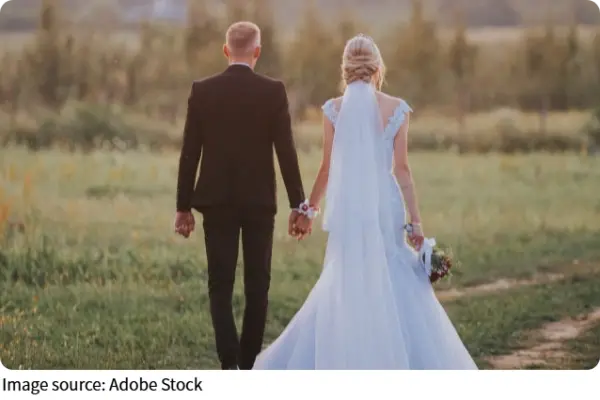
Outdoor environments require more movement than indoor settings. Grass, sand, or uneven ground can influence footwear and clothing choices.
Lightweight and flexible dress styles often work best. Simple silhouettes help with walking, sitting, and moving between areas comfortably.
Footwear is equally important. Flat shoes or low-heel designs are often preferred for stability, especially on natural ground surfaces. Comfort allows the wearer to fully enjoy each moment without distraction.
5. Preparing Sound and Lighting Equipment
Open spaces require thoughtful technical planning. Sound can easily spread or weaken outdoors, so clear audio systems are essential for speeches and music.
For evening celebrations, lighting becomes a key element in setting the mood. Soft lighting arrangements such as string lights, lantern-style decorations, or pathway illumination can create a warm and inviting environment.
It is helpful to test equipment in advance with the venue team to ensure everything works smoothly on the day.
6. Setting Up a Private Preparation Area
A quiet space for preparation is often overlooked in outdoor planning. However, it plays an important role in maintaining calm and organization.
If the venue does not include indoor rooms, temporary structures such as tents or screened areas can be arranged. These spaces are useful for outfit changes, quick adjustments, and short breaks.
A well-prepared area helps reduce stress and supports a smoother timeline.
7. Organizing Transport and Parking Clearly
Outdoor venues are often located away from busy city centers, making transportation planning essential.
Clear directions should be included in invitations, along with parking information and estimated travel time. For more distant locations, group transport options can be arranged to simplify guest arrival.
Good planning in this area helps avoid delays and confusion on the event day.
8. Managing Outdoor Comfort and Small Insects
Natural environments can include small insects, especially during warmer months. While this is normal outdoors, it can affect guest comfort if not considered in advance.
Simple preventive arrangements such as discreet protection measures around dining areas or carefully chosen placement of food stations can improve the experience.
The goal is to maintain a comfortable and relaxed atmosphere for everyone throughout the celebration.
9. Preparing for Weather Changes
Even in favorable seasons, weather conditions can shift unexpectedly. A flexible backup plan is an important part of outdoor wedding preparation.
Many venues offer indoor or covered alternatives that can be activated if needed. This ensures the event continues smoothly regardless of changes in conditions.
Some couples also choose to continue light ceremonies during gentle rain, using protective gear and adapted setups. With proper planning, even unexpected weather can become part of a memorable experience.
10. Prioritizing Guest Safety and Awareness
Guest safety is always an important consideration. Venues near water, slopes, or uneven terrain should include clear signs and guidance.
Families attending with children may also appreciate simple reminders to stay attentive in open environments.
It is also helpful to consider guests with sensitivities to strong floral environments, especially in garden-based settings. Small thoughtful actions help create a more welcoming atmosphere for everyone.
Conclusion: Thoughtful Planning Creates Lasting Memories
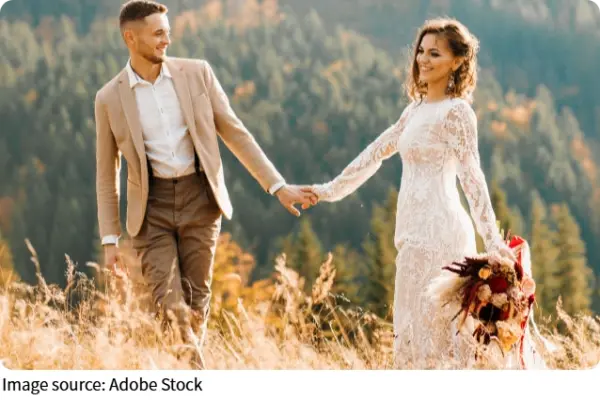
Lykkers, outdoor weddings are special because they bring people closer to nature and create a relaxed emotional atmosphere. But behind every beautiful moment is careful preparation that supports comfort, safety, and flow.
When we pay attention to season, lighting, movement, and guest experience, the celebration becomes more enjoyable and meaningful for everyone involved.
If you were planning an outdoor wedding, which setting would you choose—garden, beach, or open countryside? Share your ideas and let’s imagine the perfect day together!