Sky Lifeline Explained

Sofia Alvarez
| 10-07-2026
 · Lifestyle Team
Hello Lykkers, have we ever looked up at the sky and wondered how a helicopter can quickly arrive when someone urgently needs help? Behind every medical rescue helicopter flight is a carefully designed system that combines aviation, healthcare, and emergency coordination.
Around the world, medical rescue helicopters play an important role in emergency services. They are often used when traditional transportation cannot reach a location quickly or when every minute matters.
These aircraft can travel across challenging landscapes, including mountains, forests, coastlines, and remote areas, providing rapid medical support.
We may only see a helicopter flying overhead for a few moments, but each mission involves detailed preparation, professional teamwork, and precise communication. Let’s explore how this unique emergency service operates from start to finish.
Receiving The Emergency Call
Every medical rescue helicopter mission begins with an emergency request. When a call for help arrives, trained dispatchers collect important information about the situation.
They need to understand where assistance is needed, the condition of the person requiring care, the surrounding environment, and whether a helicopter is the best option. The team evaluates factors such as location access, weather conditions, and available landing areas.
After reviewing all details, the dispatch center decides whether to activate the helicopter service. If a flight is needed, aviation and medical teams immediately begin preparing for the mission.
This first stage is important because accurate information helps the rescue team choose the safest and most effective response.
Planning The Rescue Flight
Before the helicopter takes off, many details must be organized. The flight crew reviews the planned route, weather information, and possible landing locations.
At the same time, the medical team prepares the necessary equipment and checks that everything required for emergency care is available. Ground support teams may also be arranged to assist at the landing location.
Because rescue situations can happen in many different environments, every mission requires flexibility. A helicopter may need to land near a highway, open field, coastline, or other suitable area depending on the circumstances.
The goal is always the same: create a safe path from the emergency location to professional medical care.
The Medical Team On Board
A medical rescue helicopter is more than an aircraft. It is a flying medical support unit operated by trained professionals.
The team usually includes pilots, medical specialists, and support personnel who work together throughout the mission. Medical staff are prepared to provide care during transportation and monitor the person’s condition while in the air.
Depending on the emergency, the medical team may include different specialists with experience in urgent care, patient transportation, and emergency response.
The cooperation between aviation and medical professionals allows the helicopter to provide continuous support from the moment it reaches the location until the patient arrives at a medical facility.
Reaching Difficult Locations
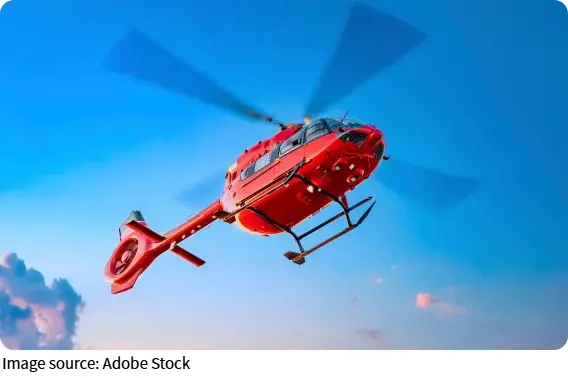
One of the greatest advantages of medical rescue helicopters is their ability to reach places that are difficult for ground vehicles.
In remote areas, long distances or challenging terrain can slow down traditional transportation. Helicopters can travel directly through the air and avoid many obstacles on the ground.
For example, rescue teams may use helicopters to assist people in mountainous regions, isolated communities, offshore locations, or areas affected by natural events.
Their ability to take off and land in smaller spaces makes them a valuable option when quick access is needed.
The Rescue Transfer Process
Once the helicopter arrives, the medical team carefully evaluates the situation and begins the transfer process. Safety is the first consideration for everyone involved, including the patient, medical workers, and flight crew.
After the person is safely placed inside the helicopter, medical staff continue monitoring their condition during the journey. They use professional equipment and follow planned procedures to provide appropriate care.
During the flight, communication remains essential. The pilot, medical team, and receiving facility stay connected to prepare for arrival.
When the helicopter reaches its destination, the patient is transferred to the medical facility, where further care can continue.
Safety Behind Every Flight
Safety management is a key part of helicopter rescue operations. Every mission requires careful checking before departure.
Flight teams consider weather conditions, aircraft performance, communication systems, and landing environments. Regular training and equipment inspections help maintain reliable operations.
Medical rescue helicopters also depend on teamwork. Pilots, medical workers, dispatchers, and ground crews all contribute to the success of a mission.
This cooperation creates a system where every person understands their responsibility and works toward the same goal.
The Cost And Accessibility Of Rescue Services
Medical helicopter services require advanced aircraft, specialized equipment, and highly trained teams, which means operating costs can be significant.
The final cost of a mission may depend on factors such as flight distance, operation time, equipment needs, and local service structures.
Many regions are working to improve access to emergency air services through different support programs and service models. These efforts help more communities benefit from faster emergency transportation when necessary.
The Future Of Air Medical Support
With continued improvements in aviation technology and medical equipment, helicopter rescue systems are becoming more efficient.
Modern communication tools allow teams to share information faster, while improved aircraft designs support safer and smoother operations.
In the future, we may see even better coordination between emergency centers, aviation teams, and medical facilities. These developments can help create stronger emergency networks around the world.
Conclusion: Hope Travels Through The Sky
Lykkers, what part of medical rescue helicopter operations surprises you the most? Is it the detailed planning behind each flight, the teamwork of professionals, or the ability to reach places that seem difficult to access?
A rescue helicopter represents much more than a machine in the sky. Behind every flight are skilled people, careful decisions, and a shared commitment to helping others.
From the first emergency message to the final arrival at a medical facility, every step matters. When we understand how these missions work, we can better appreciate the dedication behind every rescue flight.
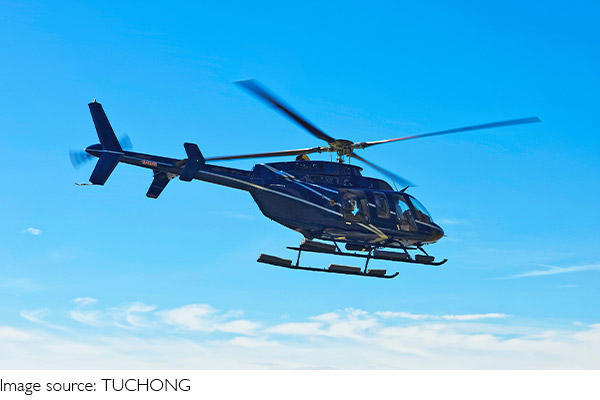
The next time we see a helicopter crossing the sky, we may think about the important role it plays in bringing timely support and hope to communities around the world.