Calm in Seconds

Sofia Alvarez
| 19-10-2026
 · Lifestyle Team
Hello, Lykkers! There is something quietly satisfying about a tea corner. It doesn't need to be large or expensive—a wooden table, a teapot, a few cups, and a comfortable chair are enough. What matters is that the space is set up deliberately, so making tea feels easy rather than like a small chore.
Whether you have a spare corner, a window nook, or just one end of a dining table, this guide walks you through the practical steps to create a tea corner you'll actually use.
Choose the Right Spot
Start by finding a spot that suits the ritual. A corner near a window works well because natural light makes the space feel calm, and a view gives you something to look at while the tea steeps. If your home has deep-green walls or another dark, cozy color, a tea corner fits naturally there—dark walls tend to make small spaces feel intimate.
Consider distance from the kitchen. You want the corner close enough that carrying a hot kettle is easy and safe, but separate enough that it feels like its own space. Avoid spots in direct, harsh sunlight, which can fade wood and make the area too warm to sit in.
Practical tips: Measure the corner before you shop for furniture, and mark the floor with tape to test how a table and chair would fit. Also check that there's an outlet nearby if you plan to use an electric kettle or a lamp.
Start With the Table
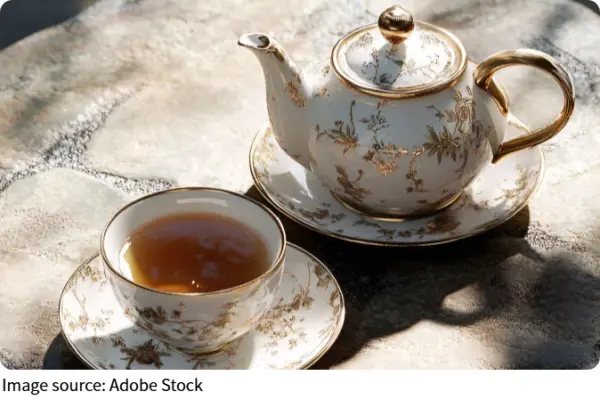
The table is the heart of the setup. A wooden table brings warmth and works well with almost any wall color, including deep greens. Size matters more than style: you need enough room for a teapot, two cups, and a small tray, with a little space left over so nothing feels crowded.
If space is tight, a small side table or even a sturdy stool can work. Just make sure the surface is stable and easy to wipe clean, since tea spills happen. A tray on top of the table keeps everything together and makes cleanup simple.
Suggestions: Choose a table with a finish that can handle occasional moisture, and use coasters or a tray to protect the wood. If the table wobbles, fix it before use—nothing ruins a relaxing ritual faster than a rattling cup.
Set Up the Essentials
Keep the basics within reach: a teapot, two or three cups, a small container for tea, and a spoon. A tray holds these neatly and can be lifted away when you need the table for something else.
Store extra cups and supplies in a nearby cabinet so the table stays uncluttered. A cabinet with doors is ideal because it hides the mess while keeping everything close. Organize it simply—cups on one shelf, teapots and supplies on another—so you can find what you need without searching.
Practical tips: Keep only what you use regularly on the tray, and store the rest. A small airtight container for tea keeps leaves fresh longer. If you use loose leaves, add a small strainer to the tray so nothing is missing mid-ritual.
Add a Comfortable Chair
An armchair turns a table into a place to linger. Choose one that supports your back and feels good for at least twenty minutes of sitting. If the chair is too deep or too soft, you'll avoid it; if it's too upright, you won't relax.
Place the chair so you can reach the table without stretching and so you're not blocking the walking path through the room. A small side table or a floor lamp nearby adds convenience without crowding the corner.
Suggestions: Test the chair in the store by sitting for a few minutes, not a few seconds. If you plan to read in the corner, make sure there's enough light over your shoulder, and consider a small cushion for lower-back support.
Get the Lighting Right
Dark walls and cozy corners need thoughtful lighting. A small lamp with a warm-toned bulb creates a soft pool of light that makes evening tea feel calm. Position it so the light falls on the table rather than into your eyes.
If you have natural light during the day, use it. Sheer curtains soften harsh sun and keep the corner comfortable. Avoid relying on a single overhead light, which can feel flat and harsh in a small space.
Practical tips: A dimmer switch or a lamp with adjustable brightness lets you shift the mood from morning to evening. Keep the cord tidy and out of the walking path, and check that the lamp doesn't crowd the table surface.
Keep It Simple and Maintain It
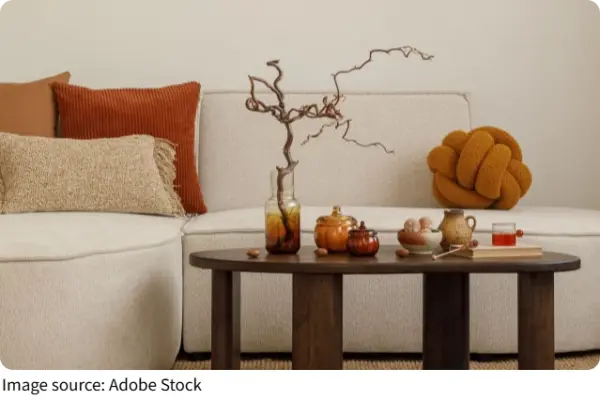
The temptation is to decorate heavily, but a tea corner works best when it stays simple. A small plant, a few cups you love, and a clean surface are usually enough. Too many objects make the space harder to use.
Maintain the corner with a quick routine: empty and rinse the teapot after use, wipe the table, and return cups to the cabinet. Once a week, check supplies and tidy the cabinet. A few minutes of upkeep keeps the space inviting.
Suggestions: Keep a small cloth or sponge within reach for quick spills, and empty the teapot fully before storing it to prevent lingering odors. If the corner sits near a window, rotate any plants so they grow evenly.
Final Thoughts
A tea corner is less about design trends and more about making a small daily ritual easy to keep. Choose a calm spot, set up a sturdy table, keep essentials close, and add a chair you actually want to sit in. With simple lighting and a little maintenance, the corner becomes a place you return to—not because it looks good, but because it feels good to use.