How to Style Orchids

Kenji
| 17-11-2026
 · Lifestyle Team
Orchids have a distinctive appearance that makes them stand out in almost any room. Their graceful stems, distinctive petals, and variety of colors bring an elegant touch to home décor.
Creating an orchid display involves more than choosing the blooms. Whether you prefer living plants or realistic artificial flowers, consider how the display will fit into the room where you plan to put it.
Choose an Orchid Style
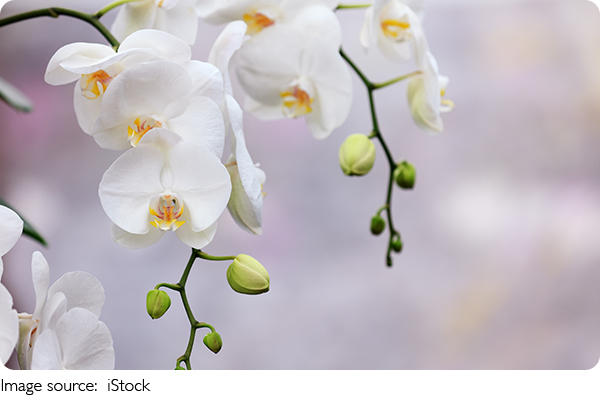
Phalaenopsis orchids are among the most recognizable choices for home displays. Their arching stems carry several flowers, with colors ranging from bright shades to softer tones.
Other orchids offer different visual effects. Cymbidium orchids often carry clusters of substantial blooms, while dancing lady orchids have smaller flowers with a distinctive flared shape. Dendrobium orchids vary widely in flower size and shape, so look at the specific variety rather than choosing by name alone.
Arrange Flowers in Balanced Groups
A single orchid can make an attractive decoration, but grouping several smaller plants can create a fuller centerpiece. An odd-numbered group, such as three or five orchids, can make the composition feel less rigid.
When working with living orchids, keeping each plant in its original container can make the display easier to assemble and maintain. Place the containers together, then use decorative materials around their bases to create a unified appearance.
Rather than arranging every flower at exactly the same height, allow some stems to sit slightly higher or lower. Before settling on the arrangement, step back and look at it from a distance. Check whether one side appears heavier than the other and adjust the positions if necessary.
Select a Container
A vase or decorative bowl should complement the flowers without competing with them. For artificial orchids, there is more freedom when choosing a vessel because the arrangement does not need to accommodate roots or drainage. Consider textured planters, contemporary bowls, metallic containers, or glass vases.
Shorter vessels can work particularly well with tall orchid stems. Their lower profile leaves the flowers as the main attraction. Pay attention to shape and proportion. A wide bowl can suit a fuller arrangement, while a narrower vase may complement a more upright design.
Give the Arrangement a Suitable Place
Orchids naturally draw attention because of their height and distinctive blooms. They can work well as a focal point in an entryway, dining room, or living area.
Consider the size of the surface as well as the room. A large arrangement can suit a spacious dining table, but it could overwhelm a smaller surface. A more compact design may be better suited to a side table or shelf.
For a living orchid, placement also needs to account for its growing requirements. Bright, indirect light suits many commonly grown orchids, while strong direct sunlight can scorch the leaves. Check the light needs of your variety before choosing a spot near a window.
Consider Artificial Orchids
Living orchids need attention to watering, temperature, light, and humidity. Their care requirements can rule out some spots in the home. Artificial arrangements provide another option for people who appreciate the appearance of orchids but prefer less maintenance.
Artificial stems can be turned so the blooms face the direction from which the display is most often seen. On a table viewed from several sides, turn some stems outward rather than pointing them all the same way.
Occasional dusting helps keep artificial petals and leaves looking presentable. Use a feather duster or, if the materials allow it, a slightly damp cloth.
If the arrangement will sit on a dining table, sit down across from someone before settling on the final height. Lower or reposition any stems that interrupt your view.